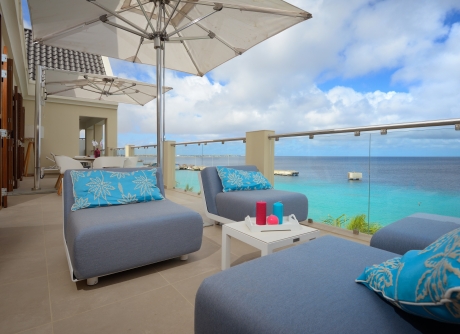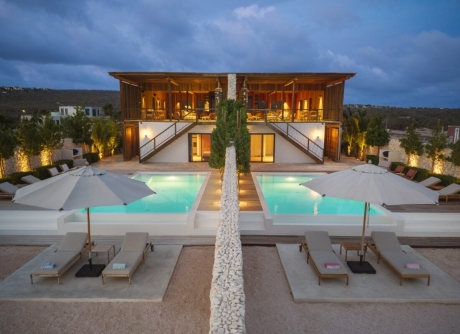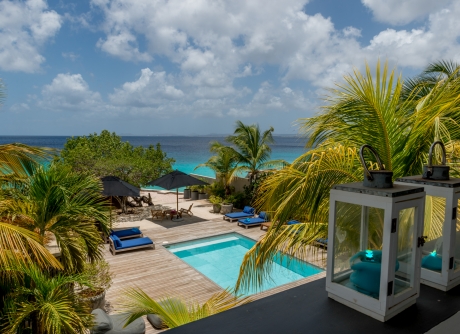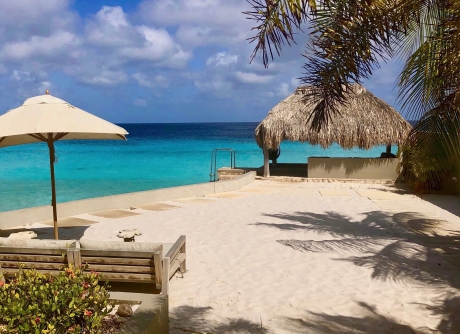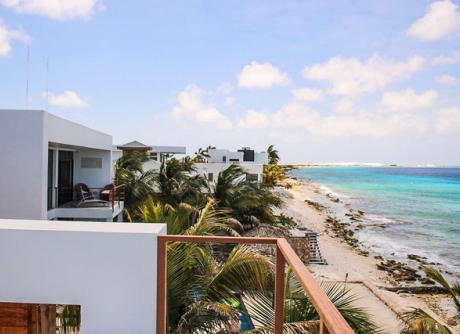
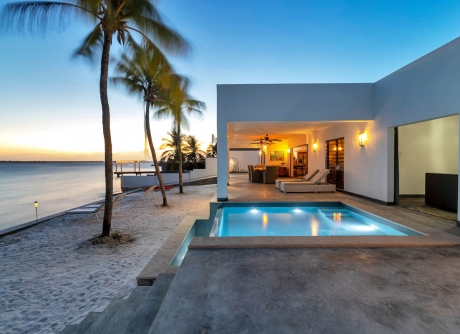
Bonaire is a small island; it's only 24 miles long and 7 miles wide. There are only a few main roads, so you would really have to make a serious effort to get lost. The Caribbean island Bonaire is situated just north of the coast of Venezuela. It’s close to Aruba and Curacao and part of the Netherlands Antilles. Native language on Bonaire is Papiamentu but English is widely spoken and of course, not surprisingly, Dutch and Spanish.
The local population is less than 15,000 and the place has a small town feel to it. Everyone knows everyone else, and there's no shortage of friendly smiles as you travel around the island. When repeat visitors are asked why they keep coming back year after year they say: “it is the warmth and friendliness of the people”. Also on Bonaire you'll find many donkeys and flamingos. The donkeys have really put their mark on the island community and even put up their own traffic signs to regulate people and traffic. Near the airport you’ll find the donkey sanctuary, where over 400 donkeys are sheltered. The many flamingos we have on Bonaire can be found at the salt lakes and at the Goto lake. Bonaire’s main town – or capital if you will – is Kralendijk. All government offices are here. Kralendijk has a harbor, many restaurants, markets, supermarkets and bars.
![]() |
Climate
Bonaire has a humid, tropical climate. Average year round temperature is 81 degrees Fahrenheit (30 degrees Celsius) with a daily variation of about 10 degrees. A steady cool breeze blows in from the east. |
![]() |
Diving Bonaire is known for its ‘pioneering role’ in the preservation of the marine environment. Bonaire is also known to have excellent conditions for windsurfing, snorkeling and scuba diving. In fact Bonaire is one of the world's top dive destinations. The water is crystal clear, and there are dozens of dive locations around, many of which you can easily access from the shore. |
![]() |
Cuisine
Bonaire has a wide diversity of food and over 70 different cultures to draw recipes from. There are many excellent restaurants. If you fancy a local dish like sopi (soup), stoba (stew), piska (fish) or food that is hasa (fried) watch for the sign “Aki ta Bende Kuminda Krioyo” which, you guessed it, means local food sold here. |